Facility Guides

Carpet Extraction Schedules for High-Traffic Offices

Published November 2, 2026 · By the GleamTide team
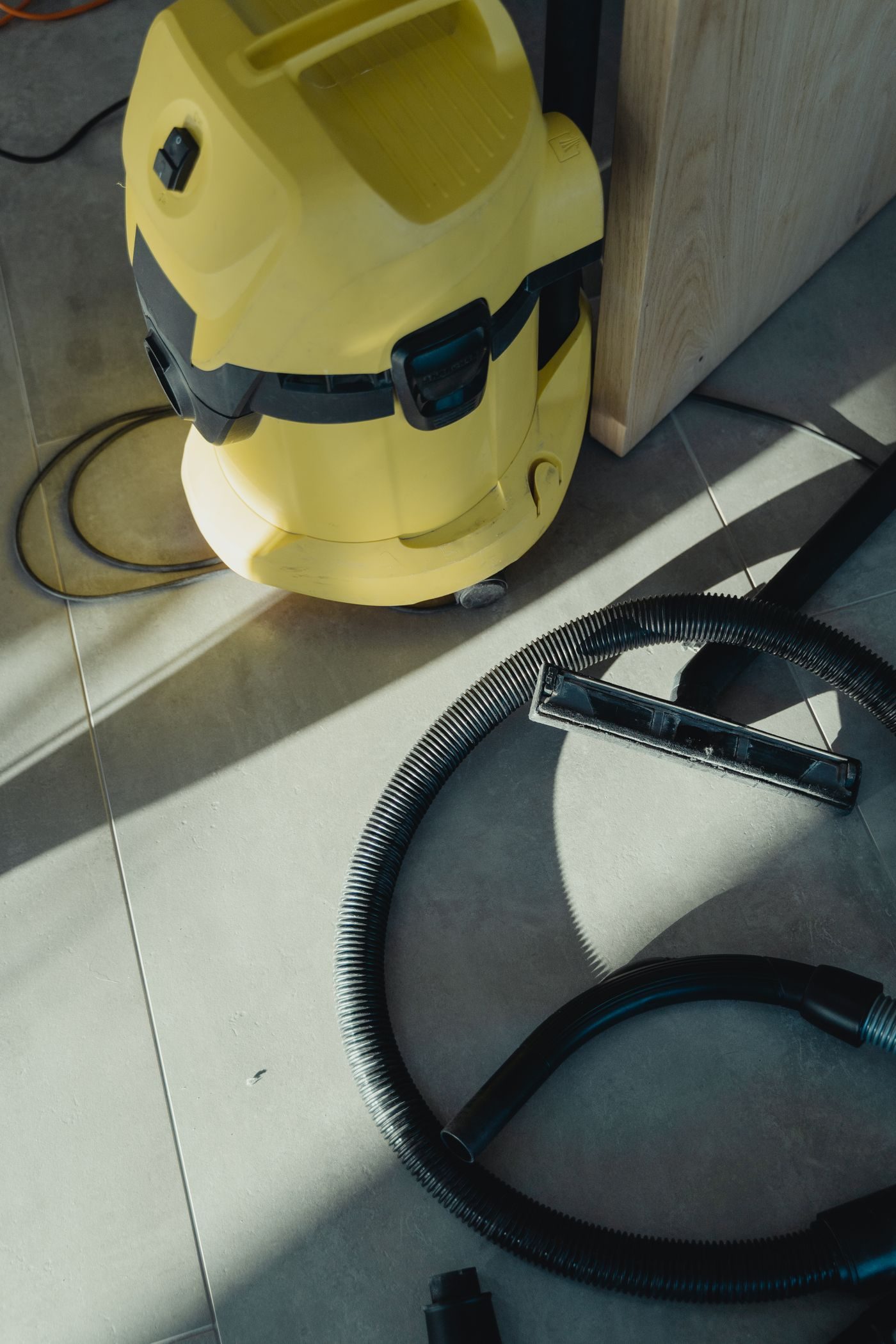
Industrial vacuum cleaner used for facility cleaning

Ask a facility manager in Miami or Fort Lauderdale when the office carpet was last extracted and you will usually get one date for the whole space. The carpet itself does not experience the space that way. Entry lanes, elevator lobbies, and the corridors everyone shares carry thousands of footsteps over the same few feet of fiber, grinding South Florida sand and tracked-in grit deep into the pile, while private offices and perimeter zones see a fraction of that traffic.

That is why professional commercial floor cleaning programs schedule carpet extraction by traffic zone rather than by building. This guide lays out the working schedule — how often heavy, moderate, and light zones actually need hot water extraction, what interim methods do between extractions, and the humidity problem that makes extraction timing in South Florida different from the national advice.

Why Traffic Zones, Not Whole Floors, Set the Schedule

Soil in carpet is abrasive. Every footstep on a gritty entry lane works fine sand and soil against the fibers, and the damage shows up as traffic-lane gray — a dull, matted path that vacuuming alone stops improving. Once soil has compacted into the base of the pile, only extraction — flushing the carpet with hot water and solution and recovering it under vacuum — actually removes it. Waiting until the lanes look dirty means the fiber damage that makes them look that way has been accumulating for months.

Zoning solves the economics as well as the cleaning. Extracting an entire floor on the heavy-traffic schedule wastes money on carpet that does not need it; extracting on the light schedule abandons the lanes. A zoned program prices and schedules each area at its real interval, which is why a provider's first step on a carpet program should be a walk of the building that classifies zones — and why a quote written without that walk is guessing.

The Working Schedule: Extraction Frequency by Zone

For high-traffic commercial spaces in South Florida, the commonly used working intervals look like this. Heavy zones — main entries, elevator lobbies, primary corridors, reception, and the routes to restrooms and break rooms — generally need extraction every one to three months. Moderate zones — open work areas, shared meeting rooms, secondary corridors — typically run every three to six months. Light zones — private offices, low-use conference rooms, perimeter areas — usually hold at every six to twelve months. Retail, restaurant-adjacent, and medical waiting areas sit at the heavy end or beyond because their soil load and appearance standards are both higher.

These are working ranges, not commandments, and two local factors push South Florida offices toward the frequent end: tracked sand, which is more abrasive than typical soil, and rainy-season moisture, which turns dry soil in entry lanes into a wicking mud that migrates deeper. Buildings near the coast, construction zones, or unpaved parking see it worst. If your lanes gray within weeks of extraction, the interval — or the matting and daily vacuuming supporting it — is wrong, and the program should say so.

  • ▸Heavy zones (entries, elevator lobbies, main corridors): extraction every 1–3 months
  • ▸Moderate zones (open work areas, meeting rooms): every 3–6 months
  • ▸Light zones (private offices, perimeter): every 6–12 months
  • ▸Walk-off matting and daily lane vacuuming stretch every interval

Interim Cleaning: What Happens Between Extractions

Extraction is the deep reset, but most carpet life is lived between extractions, and interim methods are what keep a zoned schedule honest. The highest-value interim act is also the simplest: daily vacuuming of traffic lanes with a well-maintained machine, which removes the loose abrasive soil before footsteps grind it in. Programs that skip lane vacuuming and rely on periodic extraction are paying to remove soil that has already done its damage.

Between extractions, low-moisture methods — encapsulation cleaning is the common one — handle appearance maintenance in lanes and spots: a polymer solution is worked into the carpet, traps soil as it dries, and is vacuumed out on the next pass. It dries fast, which matters in offices that cannot close areas for long, and it holds the lanes' appearance between deep extractions. Spot treatment belongs in the same interim tier: coffee, toner, and tracked tar addressed within a day or two usually come out; the same spot addressed at the next quarterly extraction often does not. Ask any provider how spots are handled between visits — the answer separates programs from appearances.

The Florida Problem: Extraction and Humidity

Hot water extraction puts moisture into carpet, and in South Florida that moisture has to be managed, because a carpet that stays damp becomes its own problem — musty odor, microbial growth at the pad, and in the worst cases a cleaning that leaves the space smelling worse than the soil did. Professional extraction in a humid climate is therefore as much a drying operation as a washing one: high-recovery equipment that pulls most of the water back out, air movers placed on the extracted zones, and the building's air conditioning running to pull humidity down while the carpet dries.

Scheduling follows from that. Extraction is best done after hours or on weekends not only to keep lanes open but to give carpet uninterrupted drying time with the HVAC running before morning traffic walks it. A provider should be able to tell you the expected dry time for your space and what they do to hit it. If a quote treats extraction as spray-and-leave with no drying plan, that is a Florida red flag — in this climate, the dry is half the job.

Building Your Building's Schedule

A sound carpet program for a high-traffic office is a one-page document: a zone map of the floor, an extraction interval per zone, the interim methods and their frequency, the matting in place at entries, and who handles spots between visits and how fast. If your current program cannot produce that page, you do not have a schedule — you have a recurring appointment. Getting the page written starts with a walk-through and a zone classification, which any serious provider will do before quoting.

GleamTide connects South Florida businesses with independent local commercial cleaning providers for floor care programs. Request service through our commercial floor cleaning page, or call 786-741-7667, and tell us your square footage, your traffic pattern, and when the carpet was last extracted. We will match your request with a provider who can walk your space and quote a written, zoned program. You hire the provider directly — we simply make the connection.

Rather have a pro look at it?

If your facility is ready for a professional program, request a local pro for Commercial Floor Cleaning — or call 786-741-7667. One request, independent local providers, you choose who to hire.

Request a Local Pro

Tell us about your facility. We'll share your request with independent local commercial cleaning providers who can contact your business about it.

Please include your facility type, approximate square footage, and how often you want service — those details get you a real scoped quote.

A photo of the space — floors, restrooms, or problem areas — helps a pro scope the job. Max 5 MB.

By submitting, you agree that GleamTide may share this request with one or more independent local commercial cleaning providers so they can contact your business about your service request by phone, text, or email. GleamTide is a matching service, not the cleaning provider, and may receive compensation for referrals. Message/data rates may apply. Reply STOP to opt out of texts.

How GleamTide works: GleamTide is a free matching service. We connect South Florida businesses with independent local commercial cleaning providers. Providers are independent businesses — not our employees — and we may receive compensation for referrals. You choose who to hire, and your agreement is directly with the provider.

Quick answers

How often should high-traffic office carpet be extracted?

By zone, not by building. Heavy zones like entries, elevator lobbies, and main corridors generally need hot water extraction every one to three months; moderate work areas every three to six months; light private offices every six to twelve months. South Florida sand and rainy-season moisture push most buildings toward the frequent end of those ranges.

What is encapsulation cleaning, and does it replace extraction?

Encapsulation is a low-moisture interim method: a solution traps soil in crystals as it dries, and the next vacuuming removes it. It dries fast and holds traffic-lane appearance between extractions, but it does not flush compacted soil from the base of the pile, so it extends the extraction interval rather than replacing extraction.

Why does extracted carpet sometimes smell musty afterward?

Because it stayed damp too long. In South Florida humidity, extraction must be paired with high-recovery equipment, air movers, and running air conditioning so carpet dries within hours. A musty result usually means the drying half of the job was skipped — a provider issue, not a carpet issue.

How do I get matched with a local provider for commercial floor cleaning?

Use the Request Service form on our commercial floor cleaning page or call 786-741-7667. GleamTide shares your request with independent local commercial cleaning providers in Miami-Dade and Broward who can walk your space and quote a written program. You hire the provider you choose directly.

More guides

Industrial vacuum cleaner used for facility cleaning

Facility Guides

Commercial Office Cleaning in Miami: What a Real Program Includes

A real office cleaning program is a written scope with frequencies — not a promise to 'keep it clean.' Here is what belongs in a Miami office program, task by task, and the questions that separate a program from a hope.

Modern empty office space

Cleaning Costs

Office Cleaning Costs in Miami: How Pricing Actually Works

There is no honest single price for office cleaning in Miami — there is a rate built from your square footage, your frequency, and how densely your space is used. Here is how that math actually works, and how to compare quotes without being misled.

Industrial vacuum cleaner used for facility cleaning

Facility Guides

Janitorial Services in Fort Lauderdale: When Your Facility Needs More Than Cleaning

Cleaning keeps a workspace tidy. Janitorial keeps a whole facility running — common areas, restroom supply, waste streams, day coverage, and the inspections behind it all. Here is how Fort Lauderdale facilities know which one they actually need.

Modern empty office space

Cleaning Costs

What Cleaning Should Cost Per Square Foot in Miami — and Why Quotes Vary

Every Miami business pricing cleaning asks the same question first: what should this cost per square foot? Here are the ranges the market actually works in, what drives a facility to the low or high end of them, and why the per-square-foot number is only honest after a walkthrough.

Two cleaning professionals standing in uniform

Hiring a Cleaning Company

How to Choose a Commercial Cleaning Company in Miami

Choosing a cleaning company in Miami usually happens twice: once on price, and again a year later, properly. This guide is the proper version — the checks that predict whether a provider will still be performing in month twelve, from tower insurance paperwork to the supervision question most businesses forget to ask.

Modern empty office space

Cleaning Costs

Medical Office Cleaning Costs in Fort Lauderdale: What Sets the Rate

A Fort Lauderdale practice pricing cleaning will find medical quotes running well above office quotes for the same square footage — and that gap is real work, not a healthcare markup. Here is what the rate is actually buying, factor by factor, and how to compare two medical cleaning quotes honestly.

Industrial vacuum cleaner used for facility cleaning

Facility Guides

Commercial Floor Cleaning in South Florida: Tile, Concrete, and Carpet Care

Floors are the largest surface in your facility and the first one clients read. But tile, concrete, VCT, and carpet each fail differently in South Florida humidity — and each needs a different program. Here is the care map, surface by surface.

Industrial vacuum cleaner used for facility cleaning

Facility Guides

Nightly, Weekly, or Daily? Choosing a Cleaning Frequency That Fits

Cleaning frequency is not a package tier — it is a per-space decision driven by traffic, soil, and who judges the room. Here is how South Florida facilities actually set nightly, weekly, and rotation schedules that hold up.

Industrial vacuum cleaner used for facility cleaning

Facility Guides

The Office Cleaning Checklist: 40 Points to Judge Any Provider By

Stop judging your cleaning by whether the trash looks empty. Here is the 40-point standard — by area and frequency — that turns 'the office seems clean' into something you can actually inspect.

Two cleaning professionals standing in uniform

Hiring a Cleaning Company

Switching Cleaning Companies Without the Chaos: A Transition Guide

Most businesses endure mediocre cleaning for years because switching sounds disruptive. Done in the right order, it is a 30-day paperwork exercise — and the office never misses a clean night.

Industrial vacuum cleaner used for facility cleaning

Facility Guides

Post-Construction Cleaning: What 'Final Clean' Actually Means

'Final clean' sounds like one visit. In practice it is a defined phase with its own scope — and most disputes come from two sides meaning different phases by the same words. Here is what each phase covers.

Industrial vacuum cleaner used for facility cleaning

Facility Guides

Medical Office Cleaning: Why It's a Different Scope Entirely

A medical office can look spotless and still fail the only test that matters: whether pathogens survived the visit. Healthcare cleaning is a different scope from office cleaning — different products, different dwell times, different zoning, and paperwork that proves it happened.

Industrial vacuum cleaner used for facility cleaning

Facility Guides

Restaurant Cleaning Beyond the Hood: Front and Back of House

Everyone in the restaurant business knows the hood gets cleaned on a schedule. What decides inspections, reviews, and repeat guests is everything else: the dining room details, the restroom standard, the floor behind the line, and the drains nobody owns. Here is the full scope, front and back of house.

Modern empty office space

Cleaning Costs

What Cleaning Should Cost Per Square Foot — and Why Quotes Vary

Per-square-foot pricing is the number every facility manager asks for and the number most easily abused. The rate for the same building can legitimately double depending on what is inside it and how often it is cleaned. Here is how the math works, and how to use the number without being played by it.

☎ Call NowRequest Service